
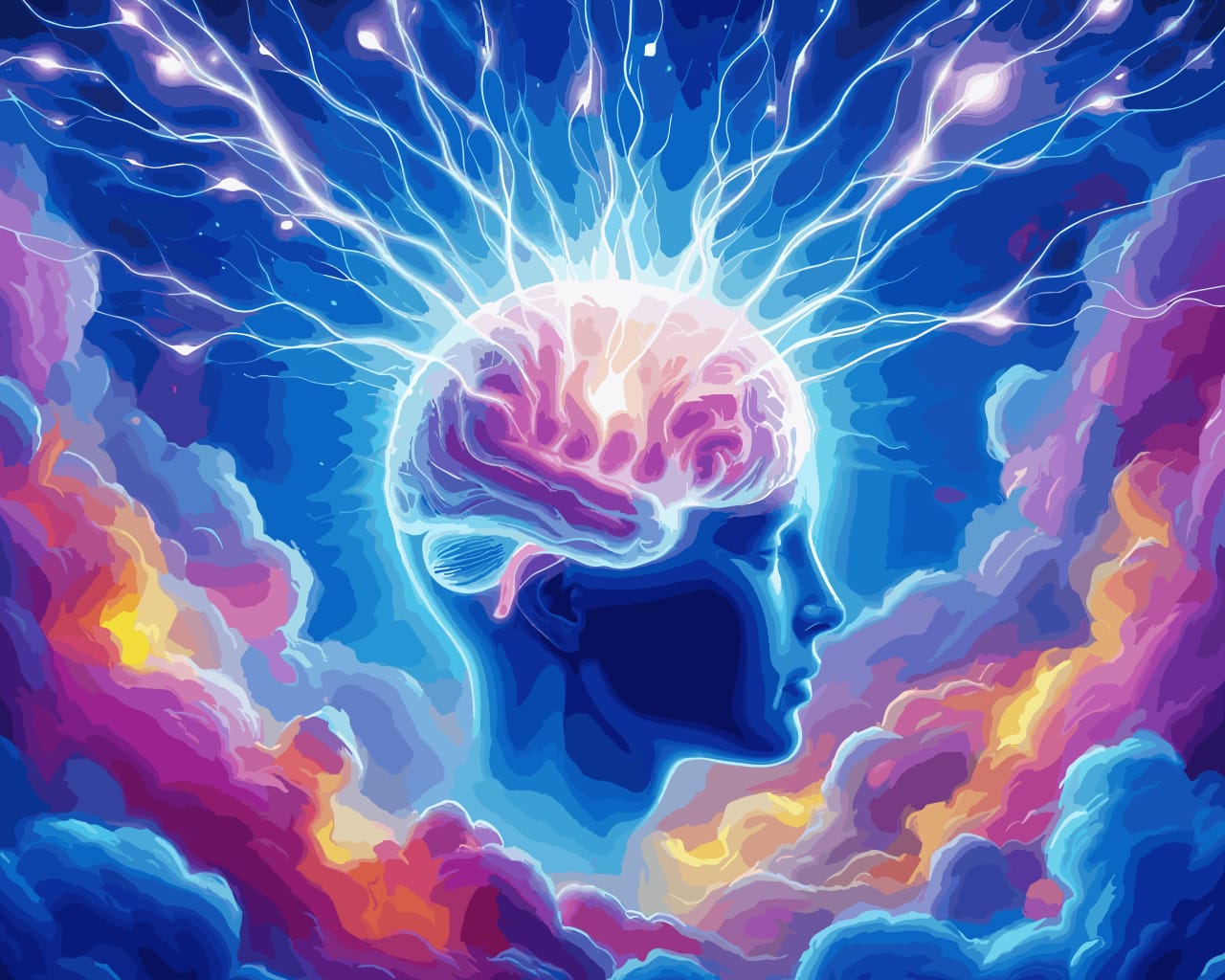
There are days when the past doesn’t feel like something behind me — but something alive just beneath the surface, like breath fogging a mirror I never stop staring into.
I often wonder how much of what I “remember” actually happened the way I believe it did. Not just the colors or the sequence of events, but the meaning I gave it — the weight I placed on certain glances, the pauses I mistook for rejection, the warmth I now read into silence.
Because memory doesn’t sit still. It shifts. It curls inward like smoke and rewrites itself while you’re not looking.
There’s a small café called Third Wave — tucked inside an alley with nothing much else. I had a very important first there. It was quiet. Dim. The kind of place that smells like burnt espresso and cedarwood. I walked in as one person and left as someone else. And still, even now, I think about it more often than I’d like to admit.
At the time, I felt like I’d gotten something wrong. Like I’d stumbled when I should’ve soared. Like maybe I wasn’t ready to be seen, not in the way that mattered. It wasn’t tragic. Just… imperfect. And back then, that felt like failure.
But a full year has almost passed, and now when I recall it, there’s a tenderness to the scene I’m not sure was ever really there. A softness I may have imagined, or maybe just invented. And still — the moment lingers. As if the ache of it, the not-quite-rightness of it, etched it deeper into me than any perfect memory could.
It’s strange, how we romanticize the past — not because it was beautiful, but because we wanted it to be. We drape it in golden light, add dialogue we never said aloud, insert a version of ourselves that was slightly braver, slightly more deserving. And suddenly, we’re not remembering — we’re storytelling.
We do this more often than we admit. Turn pain into poetry. Regret into rite of passage. We crown the people who broke us with the title of “lesson.” We tell ourselves it all had to happen that way. And maybe it did. Or maybe we’re just trying to live with what we can’t undo.
But if memories are so unreliable — if they bend and fracture and fill in their own blanks — how much of who we are is built on a story we’ve curated, instead of the truth?
Sometimes I have flashbacks so vivid they feel like hauntings. But then I talk to someone else who was there, and their recollection is nothing like mine. A different sequence. A different mood. I swore it was raining. They say it was dry. I remember silence — they remember laughter. And I’m left wondering: did I feel something so deeply that I edited the world around it? Did I reconstruct the setting to match the ache?
We think memory is sacred. Untouched. But it’s not. It’s ours — and that makes it fragile.
I’ve held grudges against people who might not deserve them. I’ve forgiven things that maybe never really hurt me. I’ve cried over memories that feel real but may be nothing more than emotional sketches — drawn with shaky hands in the middle of a sleepless night.
But here’s the thing: even false memories leave real marks.
So maybe the question isn’t whether our memories are accurate. Maybe it’s whether they’re honest. Maybe they reveal what we needed, what we feared, what we longed for — even if the facts were off.
Because memory isn’t just about what happened. It’s about how it made us feel. And feelings are rarely tidy, rarely factual. They’re messy. Malleable. Prone to rewinding themselves and playing over and over until we no longer know if we’re mourning the moment, or just the echo of it.
There’s a kind of grief in growing older and realizing that your most formative memories might not be true in the way you believed. That maybe someone didn’t mean what you thought they did. That maybe you were loved — or maybe you weren’t — and you’ll never really know.
And yet… I still revisit that café in my mind. Still see the steam curling up from the coffee machine. Still remember the quiet hum of a song I never identified. Still feel the weight of the air right before I became someone different.
Maybe I didn’t fail. Maybe it wasn’t perfect because it wasn’t supposed to be. Maybe that’s what made it real.
Or maybe that’s just the story I tell myself.
But if memory is a story — a myth we write and rewrite in the dark — then perhaps what matters isn’t whether it’s accurate.
Perhaps what matters is that it moved us.
That it marked us.
That it taught us something about who we are, or who we were trying to be.
Because at the end of it all, we’re not archives. We’re narratives. We’re rough drafts of a story still unfolding.
And maybe truth — the real kind — doesn’t live in the details.
Maybe it lives in the ache that remains.
The ache that says, this mattered — even if I’ll never fully know why.




Leave a Reply