
History is usually presented to us as certainty, dates made bold in textbooks, battles reduced to arrows on maps with their outcomes framed and inevitable. History books appear confident, asking not to be questioned but remembered. Yet my earliest lesson in history did not come from a textbook. It came from a story told twice, by two people differently.
It came from listening to an aged veteran who lived across the street. He walked slowly, back slightly bent, medals locked away in a cupboard he rarely opened, but wore them with pride whenever he would. When he spoke of a war fought in desert ablaze in the day and frigid at night, it was seldom about victories or valour. He spoke instead of waiting long nights, unfamiliar terrain, orders that arrived late or not at all. He remembered anxiety more vividly than strategy, silence more than war cries. He remembered hunger more than heroism.
Later, in school, our teacher introduced the same conflict and mentioned strategic victories, decisive moments, clear winners. The two versions did not contradict each other, but they did not fully meet either. Somewhere between memory and present, truth seemed to blur. Once, I encountered the same war in our history book, the dates marched forward on a timeline. Objectives were achieved. Outcomes were clear. Nothing in the textbook was false. And yet, something essential was missing.
That was when I questioned, Should we trust history?
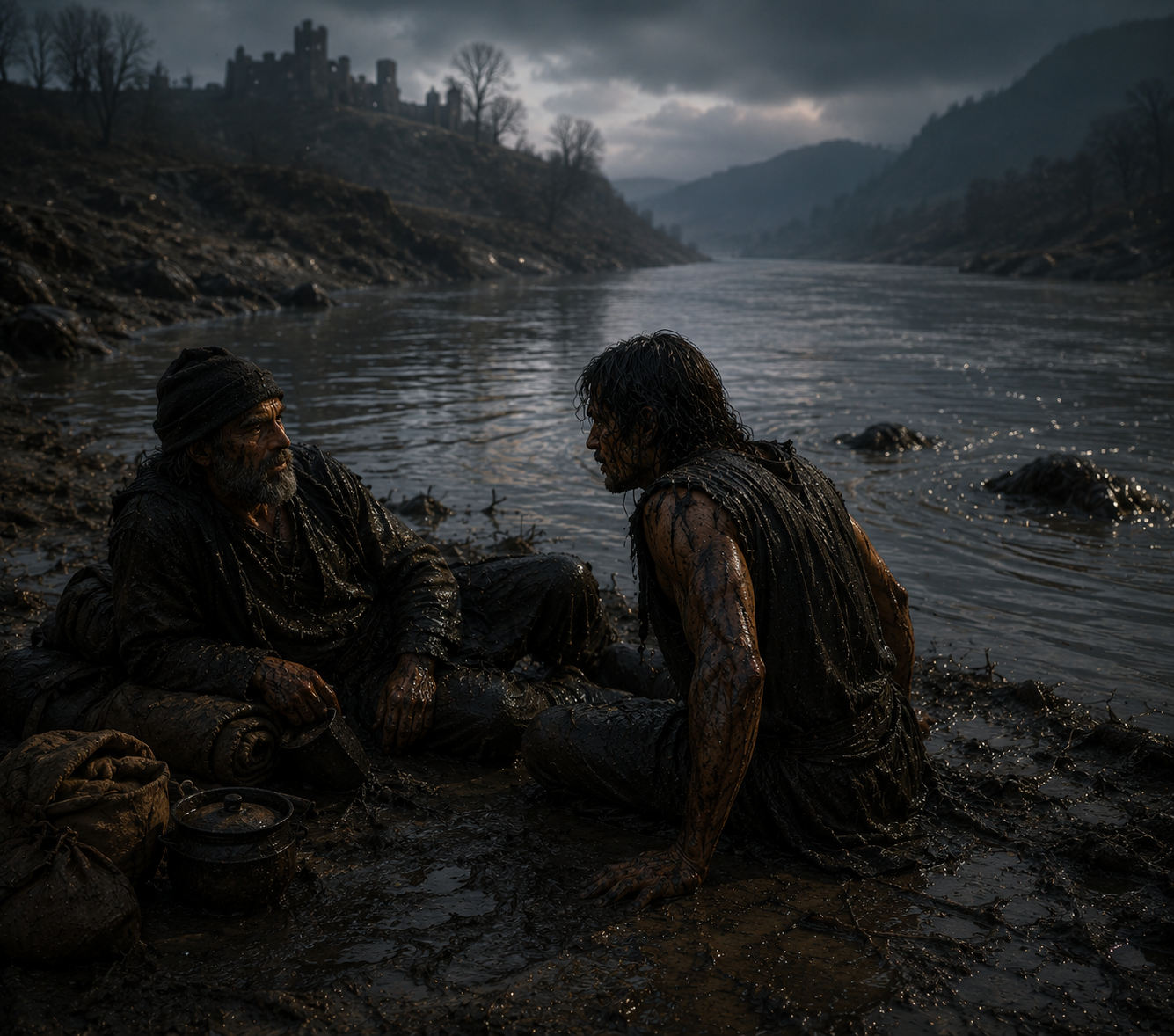
History, I realised, behaves like a river seen from a distance, orderly, flowing in a single direction. From afar, it looks calm and predictable. But the moment we get close and step into it, the current tugs unexpectedly. Stones shift underfoot and the water flows differently depending on where you stand. What seemed smooth from a distance is in fact restless up close.
In classrooms, history is neat. Empires rise because conditions were right and revolutions succeed because they were destined to. But lived history is rarely that precise. Actual decisions are shaped by uncertainty, chance intervenes and interrupts foresight making people and leaders hesitate, misjudge, adapt and fail before they succeed. When written later, this hesitation is written as a well planned strategy, and outcomes are worded as planned inevitability.
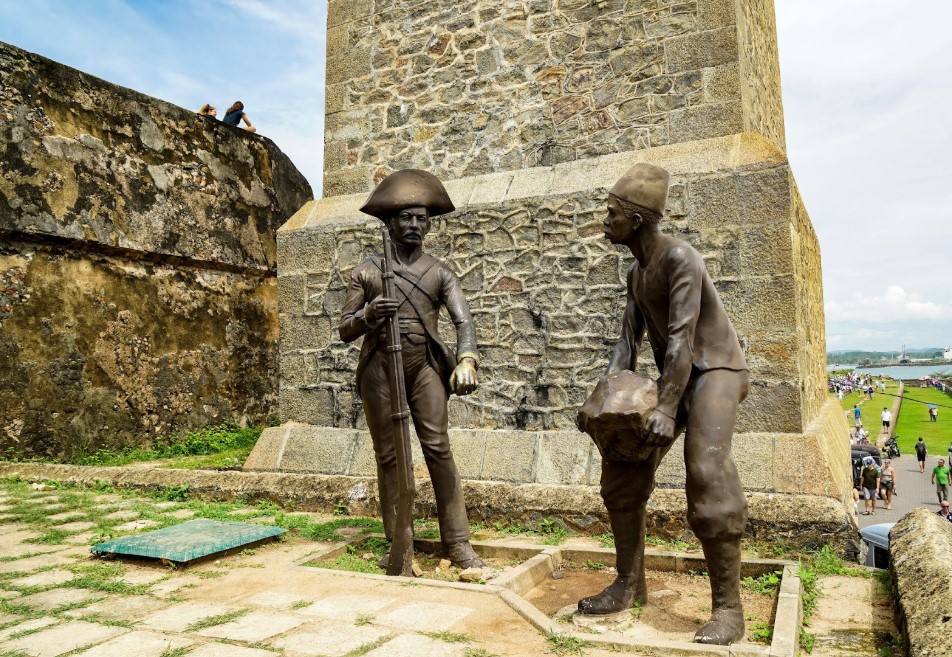
At Galle fort, Sri Lanka, our guide spoke with pride about bravery and sacrifice. The walls bore plaques, with historical narrative clear and stirring. That evening, I read a soldier’s personal letter written from the same fort, published in a chronical. It spoke of exhaustion, scarcity of food, of missing home. The monument told one story but the letter whispered another. Neither was untrue, none was complete.
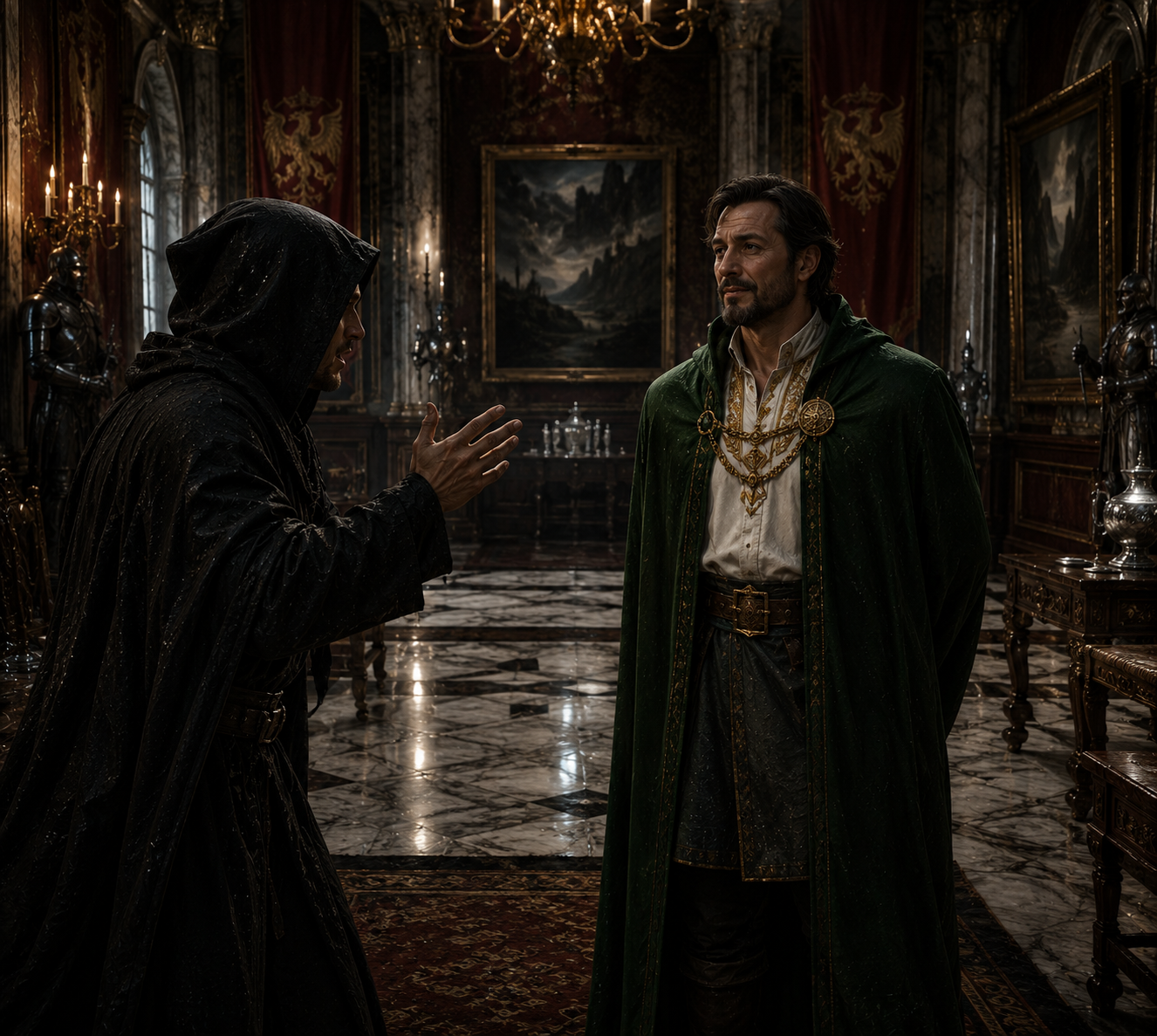
History, I realised, is not a mirror. It is a lens, shaped by who holds it, when they look through it, and what they choose to focus on. We trust history because it gives us structure. It reassures us that the past makes sense, that chaos eventually arranges itself into meaning. But history is also selective. Some voices echo across centuries; others fade quietly into footnotes, or disappear altogether. Victors leave records. Survivors carry memories. The two do not always overlap.
This does not mean history should be dismissed or distrusted entirely. It means it should be approached with humility. Perhaps history is not something to be accepted unquestioningly, but something to be engaged with, read closely and revisited. It asks us not only to remember events, but to ask whose story is being told, and whose has been set aside. I still read history and underline dates. I admire patterns. But I also listen for quieter truths, the doubts behind decisions, the lives and memories that never found their way into official accounts.
If history teaches us anything, it is that past is not fixed. It is how we remember it.



Leave a Reply