
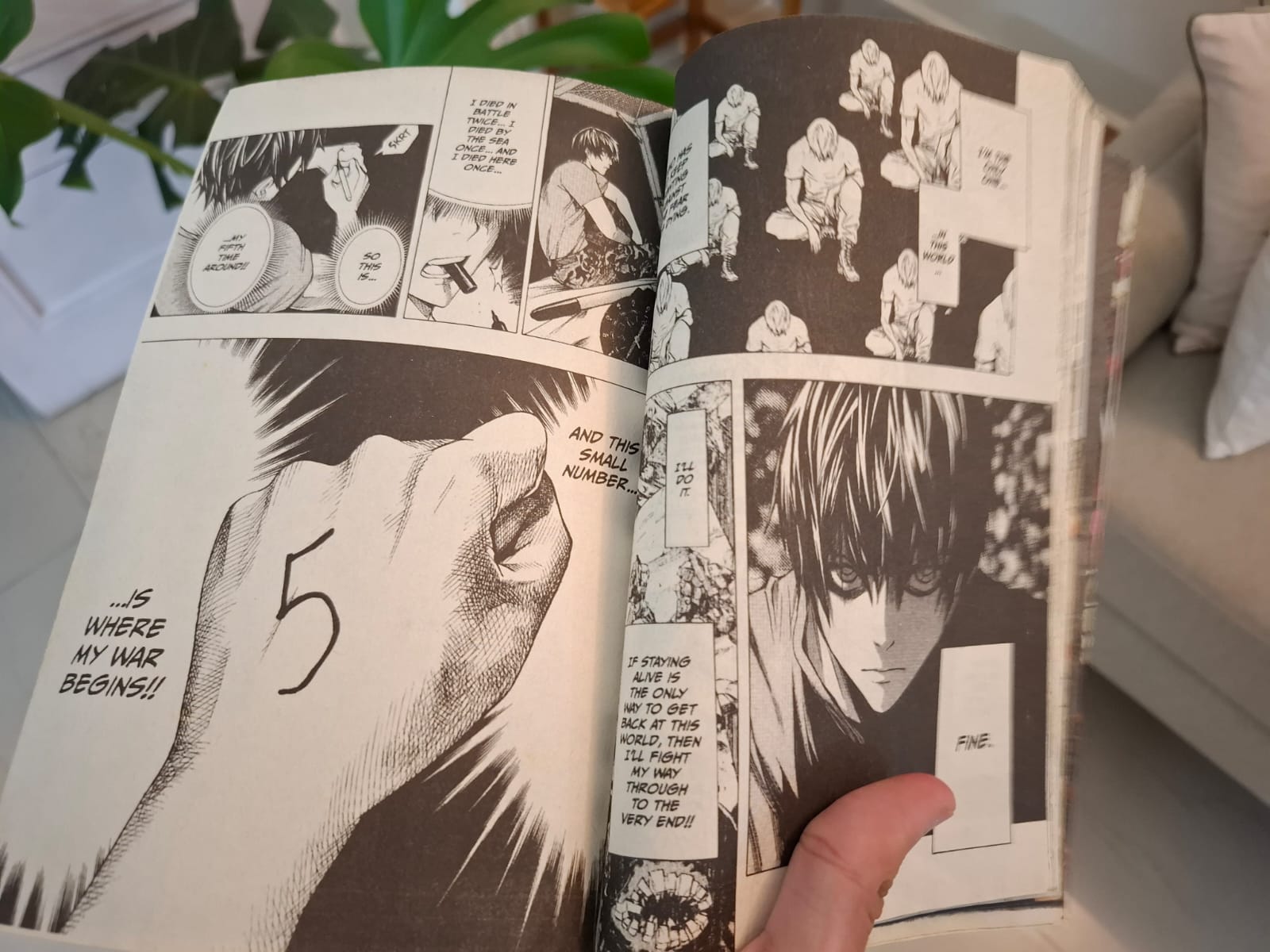
The Future I Saw (Watashi ga Mita Mirai), a slim, independently published manga from 1999 by artist Ryo Tatsuki, resurfaced in 2021 with a stark warning, a massive disaster, likely a mega-tsunami, would strike in July 2025 near Japan. The artist’s prior “prediction” of the March 2011 Tōhoku earthquake had already earned it an uncanny reputation. And so, when the new date approached, panic began to spread. Tourism plummeted. Flights were cancelled. The world braced.
And yet what actually happened? On July 30, 2025, a real 8.8-magnitude earthquake did strike off Russia’s Kamchatka coast. It wasn’t in the exact location Tatsuki predicted, and it wasn’t on July 5 but for many, it felt close enough to fuel the myth.
Is this just coincidence or something more?
Ryo Tatsuki claims her predictions come through dreams, not research. Many of her prophecies haven’t come true. But the few that seem eerily timed stir something deeper in us, a fascination with how fiction can sometimes feel prophetic. Fascinatingly, it’s not just manga. Across the ocean in America, fans of The Simpsons have long believed the show “predicts” the future. And with good reason. Over its three decades of being on air, The Simpsons has seemingly foretold the election of Donald Trump as President (2000), the Disney–Fox merger, invention of smartwatches and video calls and even the COVID-19 pandemic, through a fictional virus from Asia in a 1993 episode.
The writers, of course, deny any supernatural foresight. They chalk it up to satire, pattern recognition, and exaggerating trends already visible. Still, the sheer number of these “hits” makes people wonder; is fiction reflecting the future… or influencing how we imagine it?
It’s tempting to see these predictions as supernatural. But more often, they reveal the anxieties already bubbling under the surface. In seismically prone Japan, fears of tsunamis and tectonic doom are almost cultural constants. Manga, like dreams, simply gives those fears shape. And sometimes, fiction just gets lucky.
A similar pattern exists in other art forms. Stanley Kubrick’s 2001: A Space Odyssey imagined flat-screen monitors and voice-activated AI long before they became real. George Orwell’s 1984 foresaw the surveillance state. Even anime like Akira set its dystopia in a “post-2020 Tokyo” eerily damaged by catastrophe. But these works weren’t predictions. They were premonitions of possibility, warnings wrapped in narrative.
Prophecies in art rarely give us accurate dates and coordinates. But they do tap into real collective fears. Our fascination with prophetic art reveals our perennial yearning for certainty in an uncertain world, where awareness and preparedness matter deeply. But it’s important to anchor our response in science, not sensationalism. And while not all prophecies come true, they make one thing very clear, preparedness, not panic, is the wiser response.
Japan Meteorological Agency and disaster experts stress real risk management depends on verified data, not viral speculation.
References
- https://www.reuters.com/world/asia-pacific/manga-doomsday-prediction-spooks-tourists-japan-2025-07-03
- https://economictimes.indiatimes.com/news/new-updates/baba-vanga-predictions-can-comics-predict-the-future-how-new-baba-vanga-ryo-tatsukis-prophecies-as-a-manga-artist-are-causing-panic-worldwide/articleshow/121306848.cms
- https://en.wikipedia.org/wiki/The_Future_I_Saw



Leave a Reply