
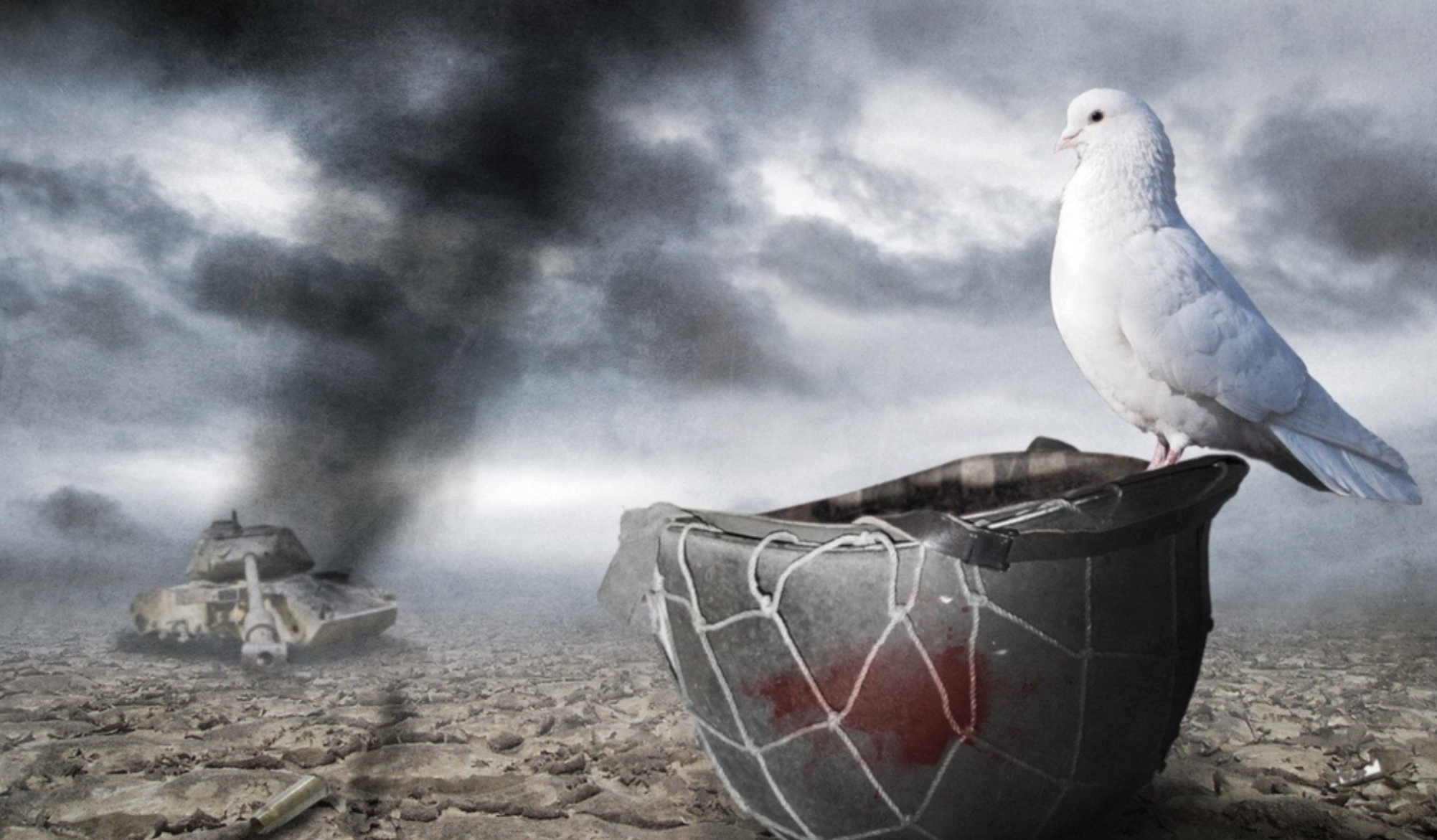

“If war were a business, would we invest in it?”
Think about it—wars are expensive, destructive, and rarely solve the problems they claim to fix. Yet, they continue to happen. Why? Because we’ve made it easier to prepare for war than to prepare for peace.
But history teaches us: wars rarely end cleanly. They sow new conflict, deepen hatred and destabilize entire regions. So how do we stop future wars before they begin? The answer isn’t naive idealism—it’s strategic peacebuilding.
Let’s explore practical, actionable steps to shift our world from war-driven to peace-driven.
1. Reimagining Global Institutions
Yes, we have the United Nations and other peacekeeping bodies—but too often, they lack teeth. It’s time to strengthen them.
- Create a Global Conflict Prevention Council (GCPC)—an independent, multi-national body empowered to mediate conflicts before they spiral.
- Enforce economic and political penalties on aggressor nations—restricted trade, frozen assets and suspended diplomatic ties.
- Build a Global Peacekeeping Force, trained and equipped solely for preventing mass atrocities—not conquest.
These aren’t impossible dreams—we already have the structures. We just need to give them power and purpose.
2. Economic Interdependence as a Shield
When nations trade, they think twice before going to war. Why destroy what you’re gaining from?
- Strengthen regional trade networks so deeply that conflict becomes too expensive to risk.
- Offer “Peace Dividends”—incentives like tech access, foreign investment or development aid to nations resolving disputes diplomatically.
- Reward countries that uphold peace with preferential trade and global funding.
This isn’t theory—it works. The European Union emerged from war-torn Europe and no major war has erupted between member states since.
3. Diplomacy Before Disaster
Why wait for the first bullet to be fired? We need to predict and prevent conflicts—not just react.
- Use neutral nations like Switzerland or Norway as Third-Party Peacemakers in rising tensions.
- Establish a Global Conflict Forecasting System—AI-driven and data-informed, tracking political unrest, ethnic division and economic stress.
- Form a Rapid Diplomatic Task Force, ready to fly in at the first sign of crisis—like emergency responders, but for peace.
What if we treated war risk like storm warnings—visible, measurable, and preventable?
4. Cybersecurity and AI: The New Battlefield
Today’s wars don’t begin with tanks—they begin with malware, misinformation, and hacked satellites.
- Draft International Cybersecurity Treaties, with transparency standards and red lines agreed globally.
- Create an AI Ethics Council to prevent weaponized artificial intelligence.
- Use AI for good—real-time monitoring and prediction of conflict zones to help with de-escalation.
If AI can predict stock crashes and natural disasters, why not human conflicts?
5. Education and Exchange: Planting Seeds of Peace
Wars often begin in minds poisoned by hate. Peace begins in classrooms and conversations.
- Integrate Peace Education into school curriculums, teaching empathy, conflict resolution, and multi-perspective history.
- Expand student and cultural exchange programs, so youth grow up knowing people, not just politics.
- Encourage cross-border innovation—scientific and business collaborations between historically hostile nations.
When people understand each other, it’s much harder to dehumanize, and far less likely to fight.
6. Deterrence Through Accountability
Peace isn’t weakness. It needs strength behind it.
- Build a Global Coalition for Conflict Deterrence, able to respond quickly to aggression.
- Impose automatic trade and financial sanctions on aggressor states.
- Hold leaders personally accountable in the International Criminal Court—no immunity for war crimes.
This isn’t about punishing—it’s about raising the cost of war so high that it’s never worth starting.
7. Climate Change: A Hidden Trigger
Future wars won’t just be about ideology—they’ll be about water, food, and livable land.
- Invest in climate resilience—especially in vulnerable regions where droughts, floods and famines could spark migration and conflict.
- Create a Global Climate Peace Fund, helping nations address resource scarcities before they fuel unrest.
By fighting climate change, we’re also fighting future wars—without firing a shot.
Final Thoughts: Peace Is a Choice
The greatest lie we’ve been told is that war is inevitable. It’s not. It’s a decision—usually by a few powerful people that the rest of us suffer for.
So let’s build a world where peace isn’t fragile—it’s engineered. Through stronger institutions, economic cooperation, smart diplomacy, AI surveillance and peace-rooted education.
As Dwight D. Eisenhower said, “We will bankrupt ourselves in the vain search for absolute security.”
So why invest in destruction—when we can invest in prevention?
If we take the right steps today, our generation could be the one that ends the cycle—and chooses peace not as an ideal, but as a strategy.








Leave a Reply